
How Can Your Child Keep Their Mother Tongue While Living Overseas?
By OFS
September 2026
When families move overseas, children often adapt quickly to the language around them. They speak English at school, with friends and during activities, and before long it may become the language they use most comfortably every day.
For many parents raising bilingual children abroad, however, there is another concern: will my child gradually lose their mother tongue?
Speaking a home language with family certainly helps, but maintaining a mother tongue while living overseas involves much more than everyday conversation. Children also need opportunities to build their reading, writing, vocabulary and confidence using the language in different situations.
For families choosing an international school in Singapore, a strong Mother Tongue programme can play an important role. Here are some of the things parents should look for.
1. Help your child develop more than conversational fluency
Using your mother tongue at home is one of the best ways to keep the language present in your child's everyday life.
However, once children spend most of their day learning and socialising in English, their English vocabulary and literacy skills can begin developing more quickly than their home language.
Your child might still comfortably chat with grandparents or understand conversations at home but find it harder to read books, write accurately or explain more complicated ideas in their mother tongue.
That is why maintaining a native language overseas requires opportunities to develop reading, writing, listening and speaking, rather than relying on conversation alone.
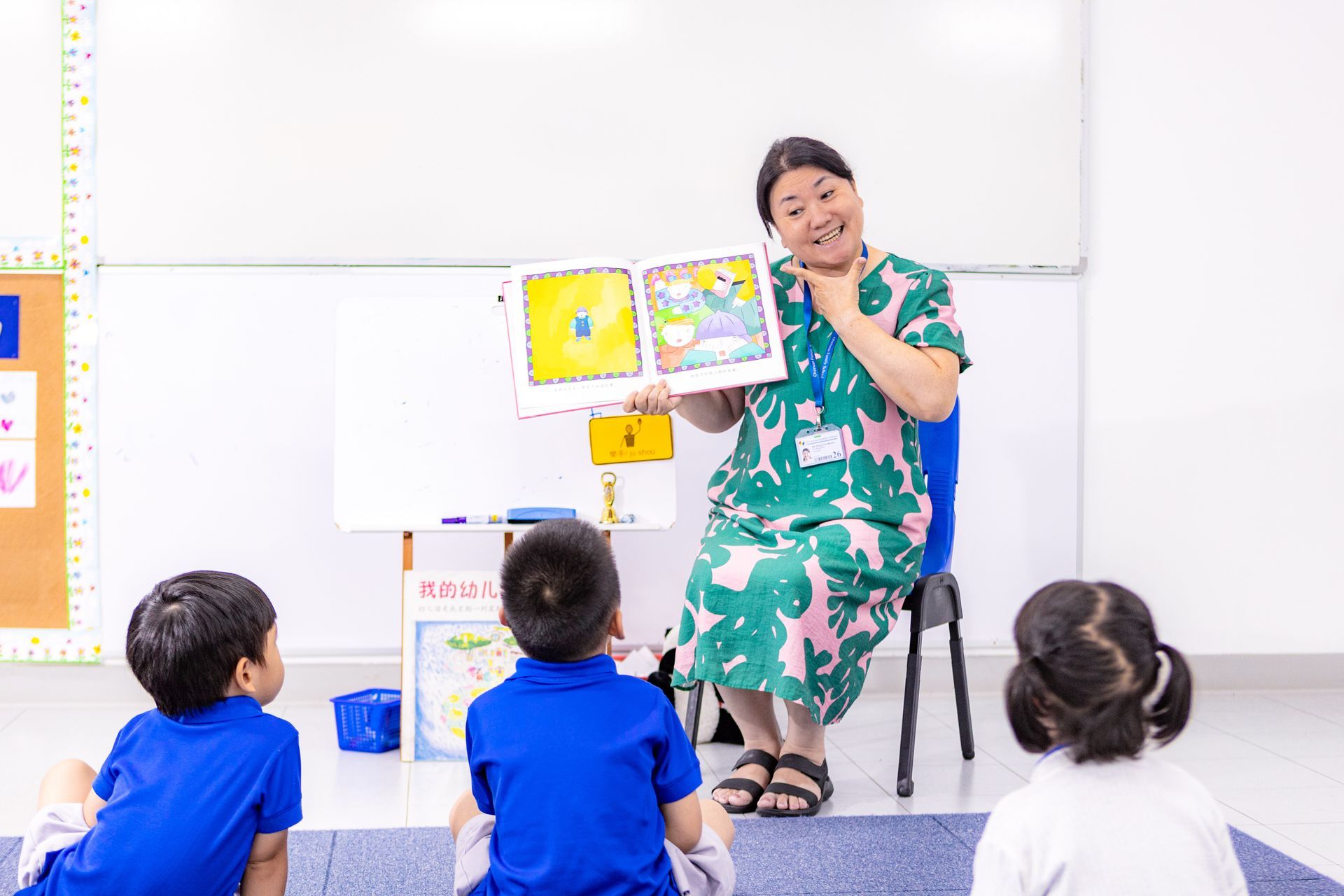
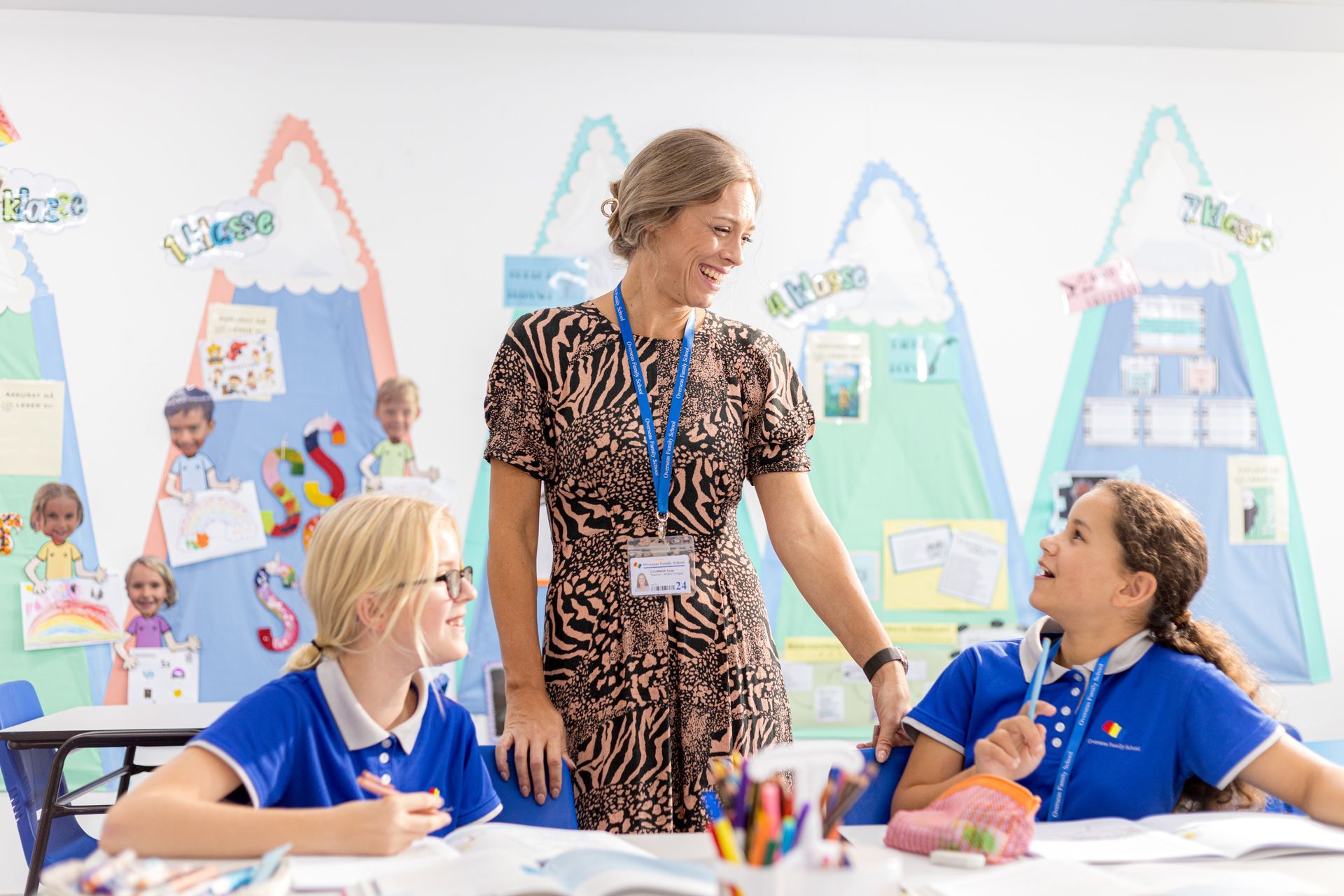
At Overseas Family School (OFS), Mother Tongue is taught as an academic subject. Students develop their reading, writing, listening and speaking skills alongside culture and literature, with assessment, homework and reporting built into the programme.
2. Ask who is actually teaching the Mother Tongue programme
Not every Mother Tongue programme at an international school is structured in the same way.
Some schools may offer languages through external providers or additional tuition, while others employ specialist language teachers as part of the school itself.
Parents should therefore ask some practical questions. Is the teacher a native speaker? Are they trained to teach the language? Are they part of the school's teaching community? And can they help students develop age-appropriate literacy rather than simply conversational skills?
The quality and consistency of teaching can make a significant difference, particularly if you want your child to maintain their mother tongue for many years.
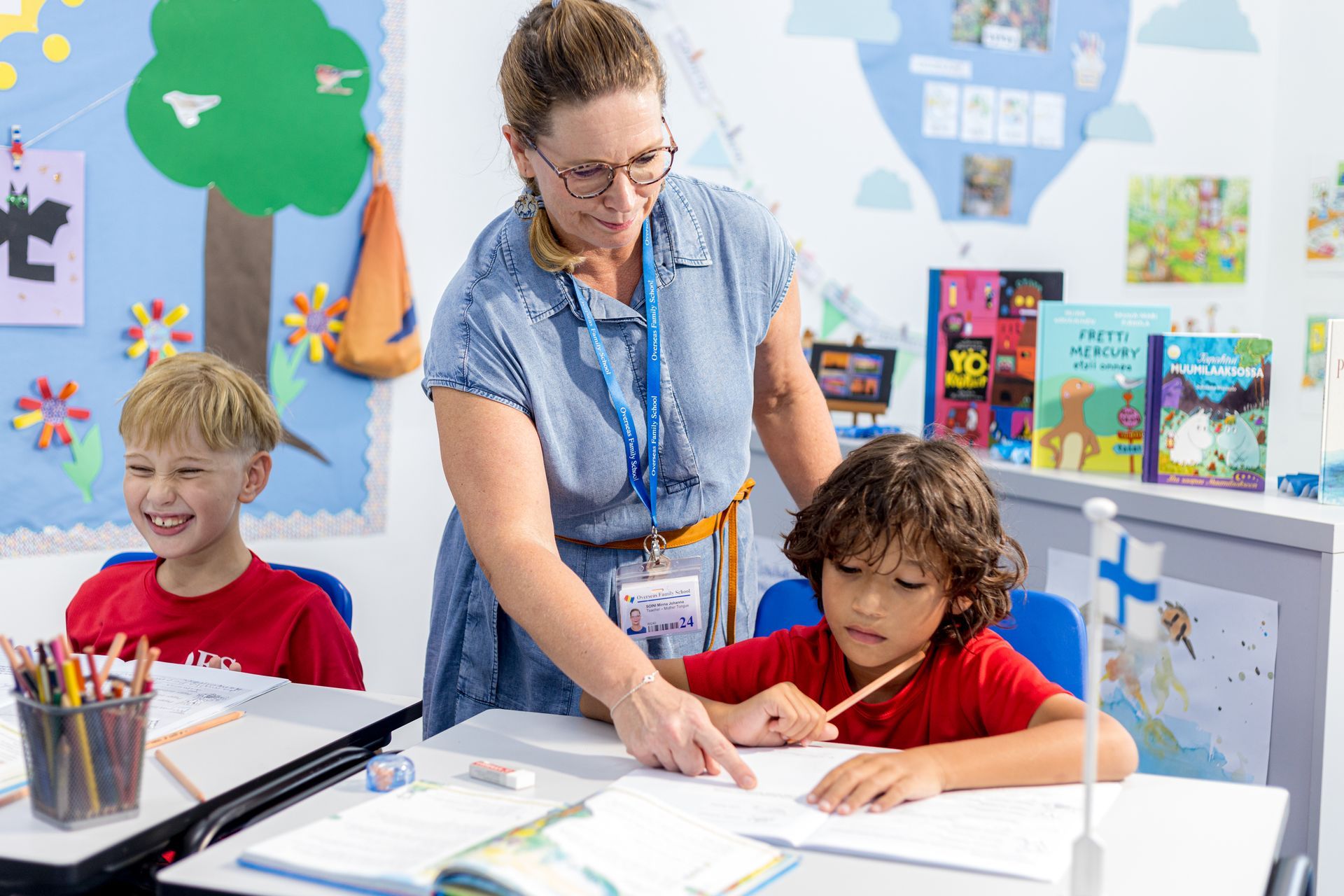
At OFS, Mother Tongue classes are taught by
in-house, native-speaking teachers who have teacher training and degrees earned in their home countries and are qualified to teach there. They are also fluent in English, allowing them to work effectively within an international school setting while giving students authentic exposure to their home language.
3. Make language learning part of your child's regular school day
One of the biggest challenges for parents trying to maintain a mother tongue while living abroad is finding enough time.
After a full school day, children may already have homework, sports, music, clubs and other activities. Adding a separate language class in the evening or at the weekend can quickly become another commitment.
This can also make it harder for children to stay motivated, particularly when Mother Tongue lessons regularly compete with time they would rather spend relaxing or participating in activities with friends.
When comparing Mother Tongue programmes at international schools in Singapore, ask where language learning fits into the school timetable.
How many lessons are there each week? Are they held during the school day? Will your family need to arrange additional language lessons elsewhere?
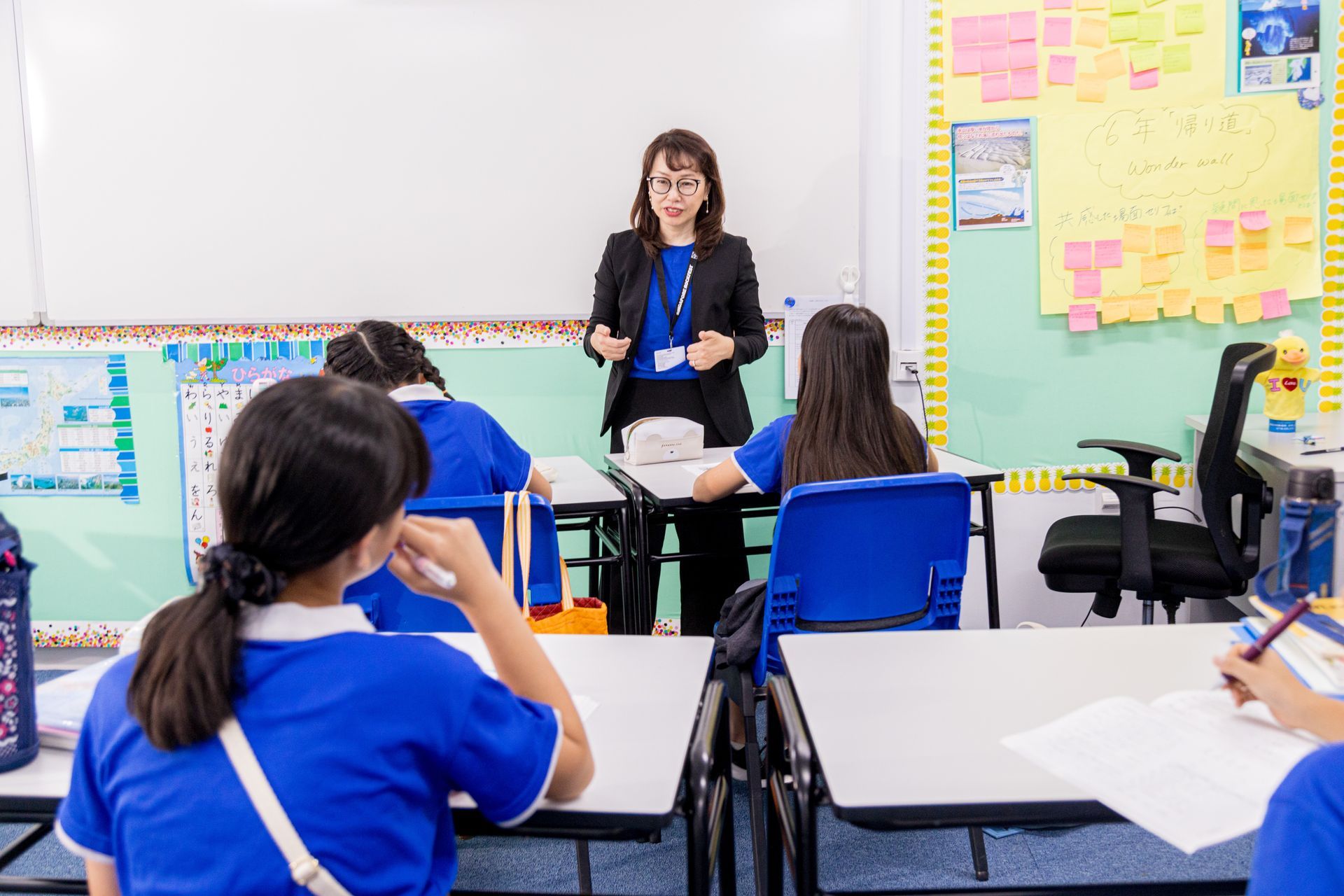
At OFS, students receive four Mother Tongue sessions every week, integrated into the academic programme for students in Pre-K2 through Grade 8. This allows students to continue developing their home language during their regular school week rather than treating it as an extra after-school commitment.
4. Think about what happens if your family moves home
International life can be unpredictable. Singapore may be home for several years, but families may eventually move elsewhere or return to their home country.
For parents, this can raise an important question: will my child still be able to study in their mother tongue if we go home?
A child may speak a language fluently but still struggle to enter a classroom where they are expected to read textbooks, write essays and understand subject-specific vocabulary in that language.
Maintaining reading, writing and grammatical skills while living overseas can therefore help preserve future options, even if your family has no immediate plans to relocate.
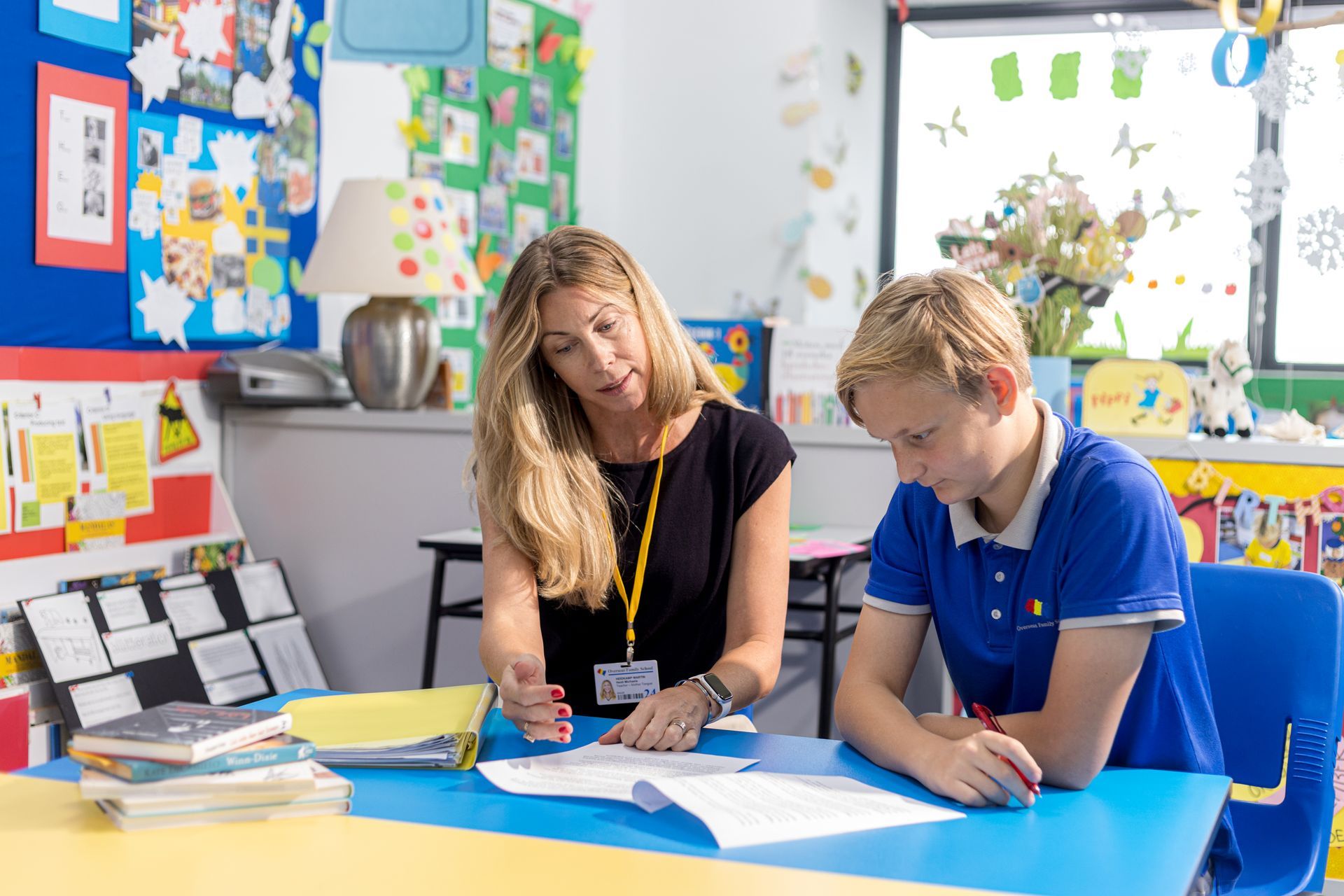
OFS' Mother Tongue Programme supports students in maintaining oral and written proficiency, helping them stay connected to the language skills they may need should they later continue their education in their home country.
5. Check whether Mother Tongue comes with additional fees
Another practical consideration is cost.
A school may advertise a home language or Mother Tongue option, but parents should check whether it is included in tuition or requires separate fees, external tutors or additional classes outside school hours.
It is worth asking exactly what is provided before enrolling: how frequently lessons take place, whether teachers are employed by the school and whether there is an additional charge.
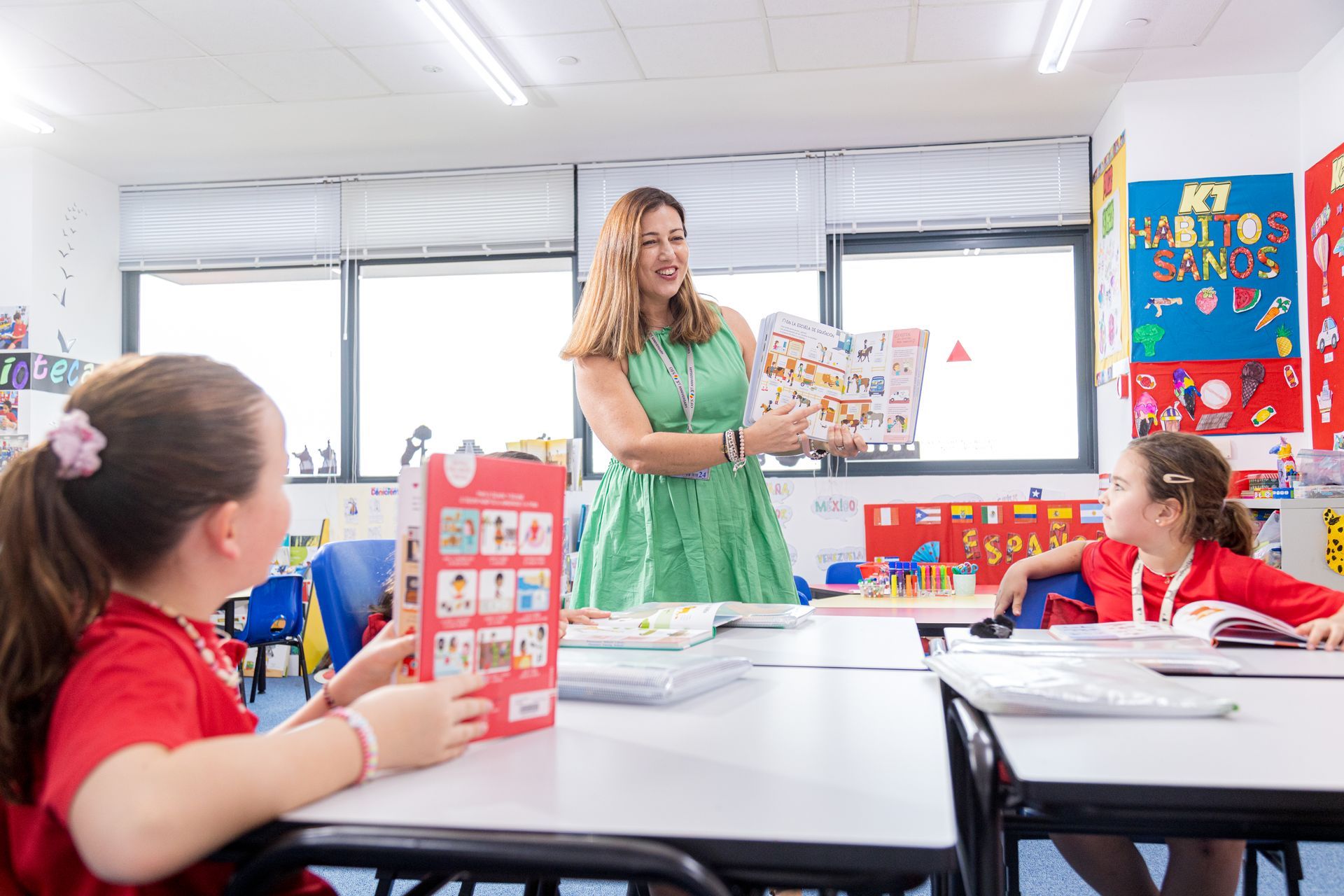
At OFS, the Mother Tongue Programme is offered at no additional fee. Students can choose Mother Tongue instead of studying a foreign language, with 15 languages currently available: Danish, Dutch, Finnish, French, German, Hebrew, Italian, Japanese, Korean, Mandarin, Norwegian, Portuguese, Russian, Spanish and Swedish.
Keeping your child's mother tongue means keeping an important connection
Helping children maintain their mother tongue while living overseas is about more than becoming bilingual.
Language helps children communicate more deeply with grandparents and relatives, understand stories and traditions, stay connected to their cultural background and keep open the possibility of studying or living in their home country later.
Parents still play an important role. Speaking the home language regularly, reading together, watching age-appropriate programmes, visiting family and creating opportunities to use the language all help strengthen that connection. But families do not have to do it alone.
See what makes OFS different to other International Schools in Singapore
For parents looking for a Mother Tongue programme at an international school in Singapore, OFS offers 15 languages, four sessions each week, qualified in-house native-speaking teachers and lessons integrated into the academic programme at no additional fee.
Families can learn more at the
OFS Open House
on Saturday, 17 October at 10am, where they can explore the campus, meet teachers, take part in classroom activities and speak with the Admissions Team about what a move to OFS could look like for their child.
Interested to know more about student life in OFS? See what’s happening in OFS by following our social media channels on
Instagram,
Facebook, and
Youtube!
